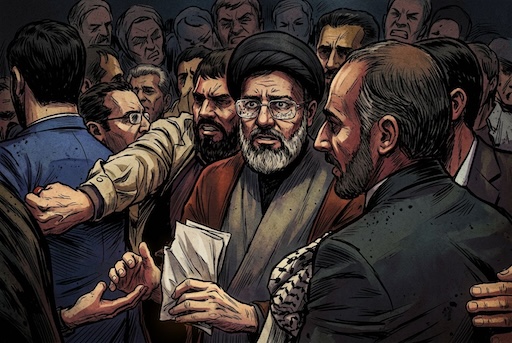
Iran's Assembly of Experts announces Mojtaba Khamenei as new supreme leader amidst escalating tensions
Iran's Assembly of Experts has officially appointed Mojtaba Khamenei, son of the late Ayatollah Ali Khamenei, as the nation's new supreme leader. This decision, made by a decisive vote, designates him as the third leader of the Islamic Republic, defying recent threats from the United States and Israel to oppose his succession, even as Israel expands its strikes in Iran.
Iran's Assembly of Experts officially appointed Mojtaba Khamenei, the 56-year-old son of the late Supreme Leader Ayatollah Ali Khamenei, as the nation's new supreme leader on March 8-9, 2026. This marks the first time power has been transferred within the same family since the Islamic Republic's founding in 1979, making Mojtaba the third leader of the Islamic Republic. The decision was made by a decisive majority vote of the 88-member Assembly of Experts, though exact vote tallies were not publicly disclosed. Assembly member Hosseinali Eshkevari stated that with the majority of votes, the person who would continue the path of Imam Khomeini and the martyr Imam Khamenei had been chosen, emphasizing that 'the name of Khamenei will continue.'
The appointment occurred amidst escalating regional tensions following the death of Ayatollah Ali Khamenei in joint U.S.-Israeli airstrikes on Tehran on February 28, 2026. The Assembly of Experts reportedly faced heavy pressure from the Islamic Revolutionary Guards Corps (IRGC) during the selection process, with the assembly meeting mostly online due to security concerns and delaying the announcement until Sunday, March 8. Mojtaba Khamenei has strong ties with Iran's Revolutionary Guards, particularly among younger radical factions, which gave him substantial leverage across Iran's political and security apparatus despite never holding formal government office.
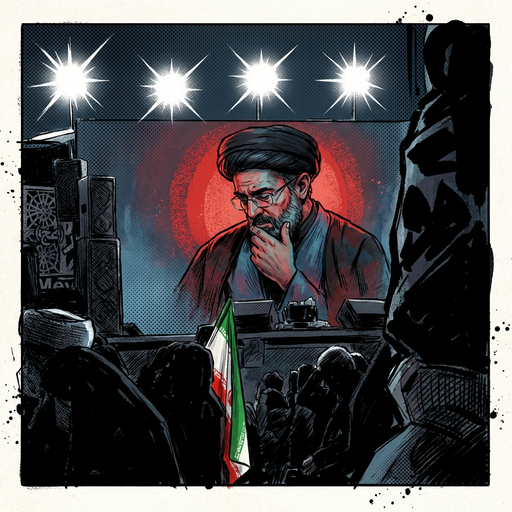
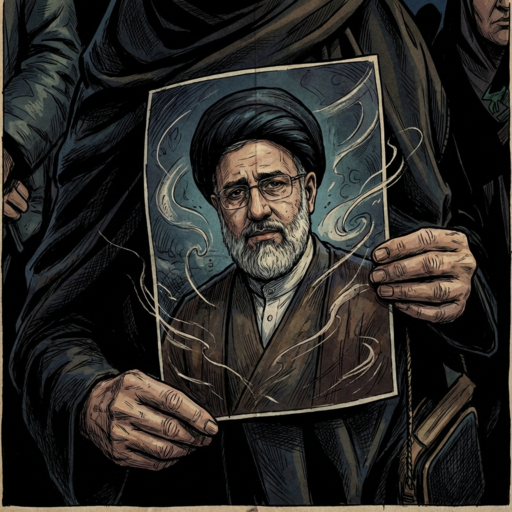
A significant constitutional issue arises from Mojtaba's religious credentials - he holds the mid-level clerical rank of hojjatoleslam rather than the rank of Ayatollah, which Iran's constitution technically requires for the supreme leader. His religious authority has largely derived from proximity to power rather than scholarly standing. Mojtaba studied theology in the seminaries of Qom under conservative scholars and fought as a volunteer during the Iran-Iraq War in the 1980s, operating as an influential behind-the-scenes figure often described as functioning as a 'mini supreme leader.'
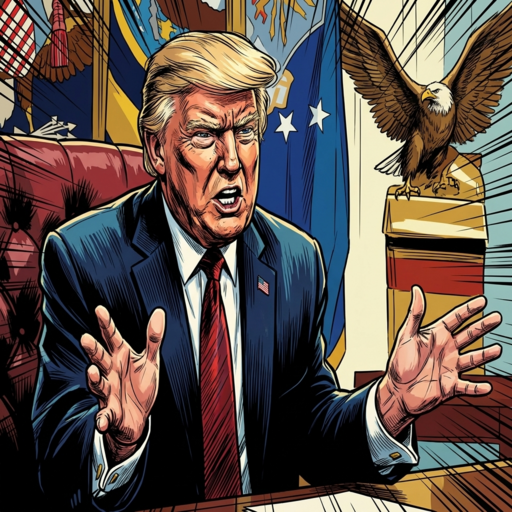
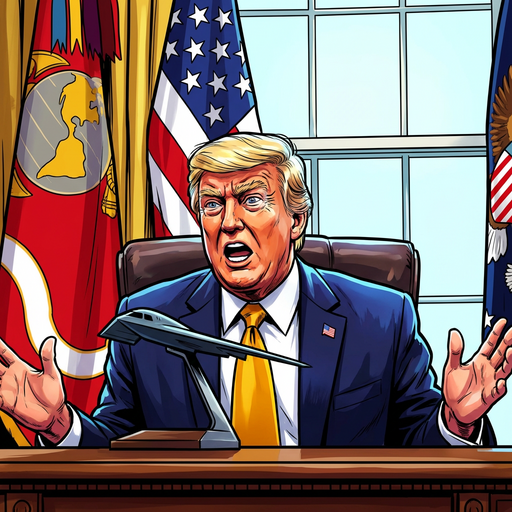
International reactions to the appointment have been mixed, with the United States and Israel previously threatening to oppose his succession. U.S. President Trump reportedly rejected the appointment, demanding approval, while Tehran and allies like Russia and China countered these positions. The appointment signals Iran's leadership has chosen a hardline figure opposed to reform and engagement with the West, with experts noting that his selection suggests Iran's deep state prioritized continuity and believes he can maintain the balance of power between the Supreme Leader and the Revolutionary Guards. The decision comes as Israel expands its strikes in Iran, further escalating regional tensions.
Join the discussion
What do you think? Drop your thoughts below.