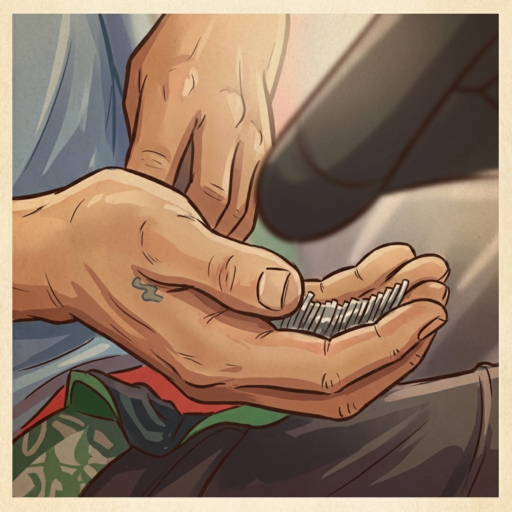
Jeepney drivers struggle to earn amid rising fuel prices
Jeepney drivers in the Philippines are facing severe economic hardship and struggling to make ends meet due to the continuous surge in fuel prices.
Jeepney drivers in the Philippines are facing severe economic hardship due to massive fuel price hikes in March 2026, with diesel prices surging past ₱24 per liter and gasoline exceeding ₱13 per liter. The crisis stems from escalating Middle East tensions affecting global oil markets, particularly restrictions in the Strait of Hormuz shipping corridor. Many jeepney drivers have been forced to stop plying their routes as operating costs have become unsustainable, with some reporting earning only ₱100 per trip while paying ₱80 in boundary fees, leaving minimal income for fuel and other expenses.
Key transport groups including Manibela have been vocal about the crisis, with Chairman Mar Valbuena explaining that some drivers have completely halted operations due to the double-digit fuel price increases. Drivers have been urging the government to either suspend fuel excise taxes or grant a ₱2 increase in minimum fares to help offset the rising costs. The situation has become so dire that drivers are checking their finances before refueling and searching for stations with lower prices.


In response to the crisis, President Ferdinand 'Bongbong' Marcos ordered immediate distribution of a ₱5,000 fuel subsidy for public utility vehicle drivers, with distribution beginning in Metro Manila on March 17, 2026, before expanding nationwide. The Department of Transportation is also providing non-cash fuel subsidies of ₱5,000 for traditional jeepneys and ₱10,000 for modernized units, though officials acknowledge these amounts will only sustain drivers for one to two days. A separate ₱30 billion from the 2026 budget is allocated for cash assistance to public utility vehicle drivers.
The Land Transportation Franchising and Regulatory Board (LTFRB) has been reviewing proposed fare increases, with Transportation Secretary Giovanni Lopez announcing that recommendations for fare hikes have been submitted and revisions are expected to be completed within a week. Despite these measures, transport groups have criticized the subsidies as insufficient to address the massive oil price surges. The crisis has broader implications for public transportation in the Philippines, with some motorists considering alternative transportation methods and drivers facing what has been described as a 'hunger spell' due to the financial strain.


Join the discussion
What do you think? Drop your thoughts below.