Middle East Conflict Deepens: US-Israel Strikes Hit Iran, Fuel Prices Soar, and Over 1,000 OFWs Seek Repatriation
The Middle East conflict has escalated with US-Israeli strikes hitting key Iranian targets, including a building tasked with electing Iran's supreme leader. This instability is causing global alarm, with the Philippine Department of Energy warning of a possible ₱10 per liter increase in gasoline prices. Over 1,000 Overseas Filipino Workers are now seeking repatriation, and the DSWD is providing assistance to the family of an OFW caregiver killed in Israel. Filipino celebrities like Maxene Magalona and Anne Curtis have also been affected by flight reroutes and being stranded in the region.
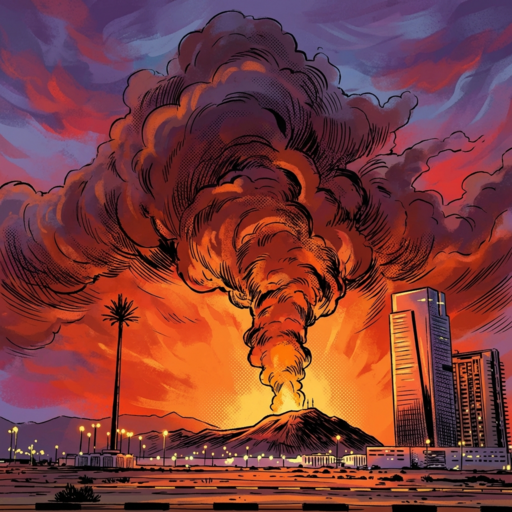
The Middle East conflict escalated dramatically on February 28, 2026, when the United States and Israel launched joint military strikes against Iran in "Operation Epic Fury," targeting key Iranian military sites and leadership. The strikes resulted in the death of Iranian Supreme Leader Ayatollah Ali Khamenei, with Iran confirming his death on March 1 and declaring a period of mourning. President Donald Trump announced the strikes to eliminate imminent threats from Iran's nuclear and missile capabilities, warning of overwhelming retaliation if Iran responded aggressively. Iran retaliated with drone and missile attacks against Israel and US bases in Gulf states including Bahrain, UAE, and Saudi Arabia, leading to closed airspaces and airport shutdowns across the region.
In the Philippines, the Department of Energy warned of significant fuel price increases due to the conflict, with gasoline prices rising by ₱1.90 per liter, diesel by ₱1.20 per liter, and kerosene by ₱1.50 per liter effective March 3, 2026. This marked the eighth consecutive weekly hike for gasoline and the tenth for diesel and kerosene. The DOE held urgent meetings with oil companies to discuss supply contingencies, particularly potential disruptions to the Strait of Hormuz, and warned of even larger increases next week if tensions persist. The Philippines relies heavily on imported oil, making it vulnerable to Middle East instability.


More than 1,400 Overseas Filipino Workers (OFWs) and other Filipinos in the Middle East have requested repatriation amid the escalating conflict. President Ferdinand Marcos Jr. stated on March 3 that evacuation is currently impossible as only fighter jets and drones are flying in the region, advising OFWs to shelter in place and follow host country guidance. The highest number of repatriation requests came from Dubai/UAE (586-872 requests), Israel (297-300 requests), Abu Dhabi (270 requests), Bahrain (231 requests), and Jordan (22 requests). The Department of Migrant Workers (DMW) has prepared exit points and repatriation plans but has not ordered mass repatriation due to the dangerous conditions.
The conflict has affected Filipino celebrities and travelers, with reports of flight reroutes and stranded passengers in the region. The DSWD is providing assistance to the family of an OFW caregiver killed in Israel from Iranian bombing as of March 2. The Philippine government faces significant challenges in evacuating its citizens, with approximately 2.2-2.4 million Filipinos living in the affected region. While preparations are in place for potential land evacuation via buses and military resources, air evacuation remains impossible due to closed airspaces and ongoing combat operations. The situation remains fluid with no immediate resolution in sight.


Join the discussion
What do you think? Drop your thoughts below.