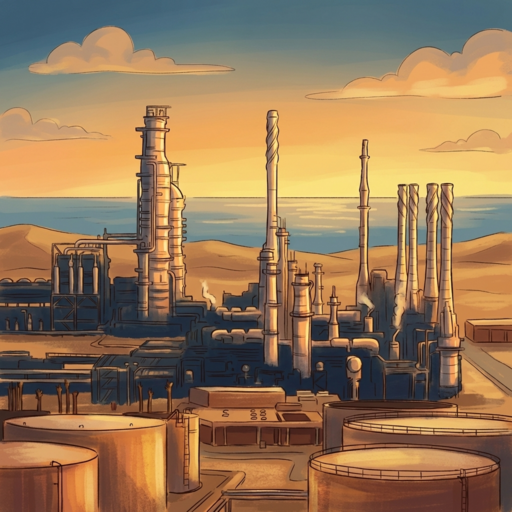
Oil jumps, stocks drop as Mideast war prolongs market volatility, IEA and Japan to release oil reserves
Global oil prices surged and equity markets largely fell due to heightened tensions and prolonged volatility from the Middle East conflict. In a bid to stabilize the global market and prevent supply shortages, the International Energy Agency (IEA) announced that its member countries would collectively release 400 million barrels from their emergency oil reserves, with Japan committing to release approximately 80 million barrels from its own stocks.
The International Energy Agency (IEA) agreed on March 11, 2026, to release a record 400 million barrels of emergency oil reserves from its 32 member countries in response to severe market disruptions caused by the Middle East conflict. This represents the largest coordinated release in the agency's history, exceeding the 182.7 million barrels released in 2022 after Russia's invasion of Ukraine. The decision came following an extraordinary session of the IEA and a G7 energy ministers' meeting on March 10, where ministers tasked the IEA with preparing scenarios for oil stockpile releases to address the crisis.
The conflict involves Iran attacking commercial ships in the Persian Gulf, severely disrupting tanker traffic through the Strait of Hormuz, which normally handles approximately 20 million barrels of oil per day. This disruption has removed about 15 million barrels from global markets, driving oil prices toward $120 per barrel before retreating below $90 on expectations of the emergency release. IEA member countries collectively hold over 1.2 billion barrels in public emergency oil stocks, plus approximately 600 million barrels held by industry under government obligation.
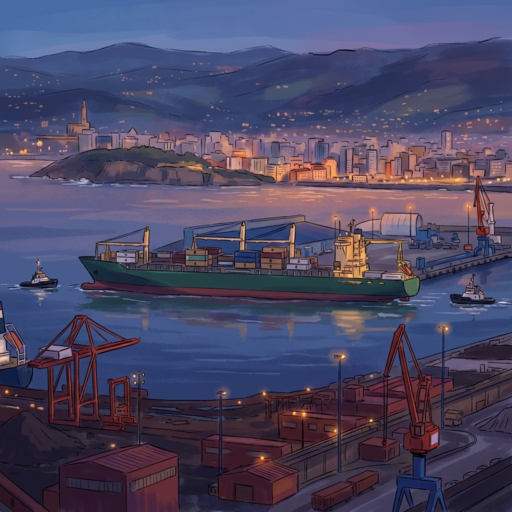

Japan's Prime Minister Sanae Takaichi announced that Japan would release approximately 80 million barrels from its strategic reserves, with releases beginning as early as March 16, regardless of the IEA's coordinated action. Germany's Economy Minister Katherina Reiche confirmed the IEA's recommendation for OECD members to discharge this massive volume, while Germany and Austria also committed to releasing portions of their reserves. The release aims to counter surging oil prices triggered by the Middle East conflict, which has heightened global energy market instability and contributed to stock market declines.
Oil prices steadied or dropped following the announcement amid expectations that the release would temper price spikes, though analysts question whether 400 million barrels will be sufficient to address prolonged supply disruptions. The IEA stated that releases would depend on each member country's circumstances, with no fixed timeline specified. While global markets reacted to the news, no specific Philippine news sources were identified covering this event, with reporting primarily coming from international outlets like Bloomberg, Reuters, Fortune, and other global financial publications.

Join the discussion
What do you think? Drop your thoughts below.