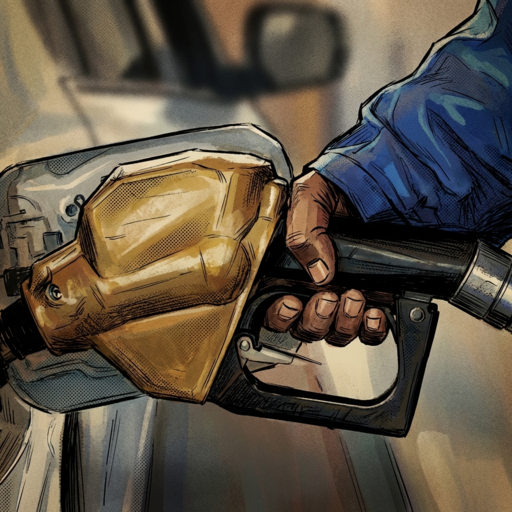
Price of diesel could reach P100/L next week
Fuel prices are set to soar next week, with diesel potentially reaching P90-P100 per liter and gasoline rising by P14-P17, driven by the ongoing Middle East crisis impacting global oil supply routes. This marks a significant increase, with North Luzon already seeing diesel prices near the P90 mark.
Fuel prices in the Philippines have surged dramatically in March 2026, with diesel potentially approaching the P100 per liter mark following unprecedented price hikes. The Department of Energy (DOE) confirmed that diesel prices could rise by up to P24.25 per liter this week, marking the highest single-week increase in Philippine history. This follows earlier projections from March 7, 2026, which anticipated diesel increases of P21-P23 per liter and gasoline hikes of P11-P13 per liter. The current situation has diesel prices ranging from P68 to P87.44 per liter across different retailers, with Shell reaching P84.75 per liter after staggered adjustments effective March 12, 2026.
The primary driver of these price surges is the ongoing Middle East crisis, which has severely disrupted global oil supply routes and caused significant volatility in crude oil markets. The crisis involves US-Israeli airstrikes and escalating US-Iran tensions that have impacted oil exports and transportation through critical shipping lanes. This geopolitical instability has created supply chain disruptions that directly affect the Philippines' fuel imports, leading to the dramatic price increases being experienced nationwide.
Key stakeholders involved include the Department of Energy (DOE), which is actively monitoring the situation and coordinating with the Department of the Interior and Local Government (DILG) and Philippine National Police (PNP) to prevent hoarding and profiteering. Transport groups like PISTON and consumer rights advocates have been protesting the price hikes, staging pickets at gasoline stations in Manila and calling for government intervention. Oil companies including Shell, Petron, Chevron, and other major retailers are implementing the price adjustments in tranches to cushion the impact on consumers.
Official statements from the DOE emphasize that the government is planning subsidies for affected sectors, particularly transport workers, farmers, and fisherfolk who are most vulnerable to fuel price increases. The DOE has also warned against price manipulation and is working to ensure adequate fuel supply despite the global disruptions. The situation has prompted calls for emergency measures to protect consumers and maintain economic stability as fuel prices continue their upward trajectory.
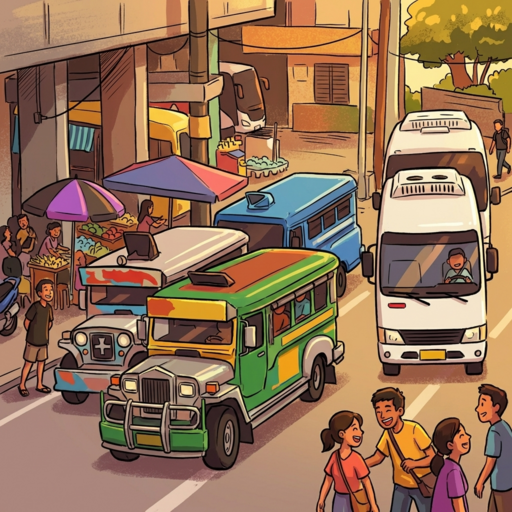
The consequences of these price increases are severe and widespread. Transportation costs have skyrocketed, affecting public utility vehicles, logistics, and delivery services. This has led to higher prices for basic goods and services, increasing the cost of living for ordinary Filipinos. The agricultural sector faces additional challenges as fuel costs impact farming operations and food production. The government's planned subsidies aim to mitigate these effects, but the ongoing Middle East crisis suggests that fuel price volatility may persist in the coming weeks, potentially pushing diesel prices closer to the P100 per liter threshold in some regions.


Join the discussion
What do you think? Drop your thoughts below.