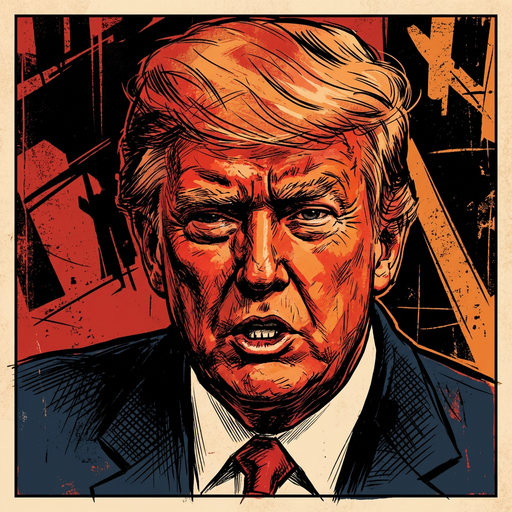
Trump furious after Supreme Court upends his global tariffs, vows new 10% levy
The Supreme Court overturned President Trump's global tariffs, leading to his furious denouncement of the justices and a vow to impose a new 10% levy on all imports. The ruling, based on a 1977 law, sparked mixed reactions from trade partners and an initial rise in US stocks.
On February 20, 2026, the U.S. Supreme Court ruled 6-3 that President Donald Trump's global tariffs imposed under the International Emergency Economic Powers Act (IEEPA) were unconstitutional. The Court, led by Chief Justice John Roberts, determined that IEEPA's language allowing the president to 'regulate importation' does not extend to imposing tariffs, invoking the 'major questions' doctrine which requires clear congressional delegation for significant economic decisions. This ruling invalidated Trump's sweeping 2025 'reciprocal' tariffs, including an initial 10% levy on imports from nearly all countries, which he had justified as addressing trade deficits as national security threats. The decision specifically affected tariffs on numerous countries including the Philippines, where a reciprocal tariff had been effective since August 7, 2025.
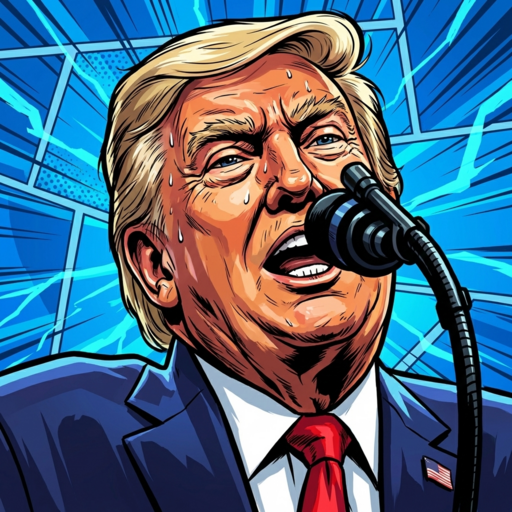
President Trump reacted with fury to the Supreme Court decision, criticizing the justices during a Georgia visit and calling tariffs 'the greatest thing that's happened in this country.' He immediately announced he would sign an executive order for a new 10% global tariff using Section 122 of the Trade Act of 1974, which allows tariffs of up to 15% to address 'large and serious' balance-of-payments deficits. Unlike IEEPA, this statute requires only a presidential determination that such a deficit exists and does not mandate an interagency process or formal investigation. Trump vowed this new tariff would be effective within three days and would be layered atop existing tariffs that survived the ruling, including those under Section 232 (national security) and Section 301 (unfair trade practices).

The Supreme Court's decision directly impacted the Philippines, invalidating the reciprocal tariff that had been applied to Philippine imports since August 2025. While no specific Philippine news sources were found in the search results, the ruling's global trade implications would likely affect bilateral trade relations. The Court's majority included Chief Justice Roberts and Justices Sotomayor, Kagan, Gorsuch, Barrett, and Jackson, while the dissenters included Justice Kavanaugh who argued that IEEPA implicitly allows tariffs as a traditional tool for regulating imports in foreign affairs.
Following the ruling, Trump announced new Section 301 investigations targeting unfair trade practices and vowed to collect 'hundreds of billions' from trading partners. Trade policy experts noted that Trump would need to rebuild his tariffs in a patchwork fashion using alternative authorities, as there is no exact replacement for the sweeping powers he previously claimed under IEEPA. The ruling removed one significant tool from his trade agenda, though existing commitments made through trade deals remained intact. The decision also raised questions about importer refunds for tariffs already paid under the invalidated IEEPA authority.
The Supreme Court's decision represented a significant check on presidential power, affirming that Congress holds primary authority over tariff imposition under Article I of the Constitution. Despite the ruling, Trump maintained that tariffs would continue 'in a different way' and expressed confidence in the legal durability of his new approach using Section 122 authority. The economic impact was substantial, with post-ruling effective U.S. tariff rates dropping significantly (Chinese imports cut by nearly two-thirds), though remaining tariffs were still projected to raise $1.2 trillion over 10 years, offset partly by economic drag from trade restrictions.

Join the discussion
What do you think? Drop your thoughts below.